Commercial properties rely heavily on electricity to maintain daily operations, power critical equipment, and provide a safe environment for employees, customers, and visitors. From lighting and HVAC systems to office equipment and industrial machinery, electrical infrastructure is the backbone of a functioning commercial space. However, these systems are complex and often prone to a variety of challenges that can disrupt operations, increase costs, or compromise safety. Understanding the most common electrical problems in commercial properties and how licensed professionals address them is essential for property owners and facility managers.
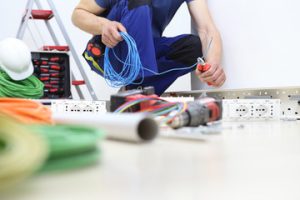
Commercial Electrical Installation in commercial buildings is much more intricate than that in residential properties. They must handle higher voltage, support multiple large-scale appliances, accommodate specialized equipment, and meet strict safety and code requirements. Over time, factors such as outdated components, increased electrical demand, improper maintenance, or wear and tear can create significant challenges. If left unresolved, these issues can escalate into costly repairs, operational downtime, or dangerous hazards such as electrical fires and equipment failure.
Overloaded Circuits
One of the most common electrical challenges in commercial properties is overloaded circuits. These occur when too many devices or high-power equipment draw electricity from a single circuit simultaneously. Overloaded circuits can lead to frequent tripped breakers, flickering lights, or even damage to sensitive electronics.
Licensed electricians address overloaded circuits through several solutions:
- Load Balancing – Professionals assess the power requirements of different areas and redistribute loads across multiple circuits to prevent overload.
- Panel Upgrades – Upgrading the main electrical panel increases capacity and allows additional circuits to handle high-demand equipment.
- Dedicated Circuits – Installing dedicated circuits for high-power appliances, such as industrial machinery or commercial HVAC systems, ensures stable operation and prevents interference with other devices.
By addressing overloaded circuits, professionals improve safety, reduce downtime, and prevent unnecessary strain on electrical infrastructure.
Outdated Wiring and Electrical Components
Commercial buildings that were constructed decades ago may still rely on outdated wiring systems, such as aluminum wiring or knob-and-tube installations. Aging electrical infrastructure can create fire hazards, voltage drops, and inefficiency in power delivery. Outdated panels, switches, and outlets may also fail to meet current code requirements, leaving the property at risk of non-compliance.
Professionals tackle outdated wiring and components by:
- Upgrading Wiring – Replacing old wiring with modern, code-compliant conductors that can handle current power demands efficiently.
- Installing Modern Panels and Breakers – Ensuring that the building’s electrical distribution system meets safety and efficiency standards.
- Assessing Component Health – Inspecting switches, outlets, and other devices for wear and replacing them as necessary.
Properly modernized wiring and components enhance system reliability, reduce energy waste, and improve safety throughout the property.
Frequent Electrical Surges
Electrical surges can damage sensitive equipment, computers, lighting systems, and industrial machinery. Surges may result from lightning strikes, utility grid fluctuations, or internal system faults. In commercial settings, repeated surges not only increase maintenance costs but can also interrupt operations and impact revenue.
Professional electricians mitigate electrical surges through:
- Surge Protection Devices – Installing devices at the main panel or at critical equipment protects against voltage spikes.
- Grounding and Bonding – Ensuring proper grounding allows excess energy to safely dissipate into the earth.
- Routine Inspections – Monitoring electrical systems for potential vulnerabilities helps prevent recurring surges.
By addressing surge issues proactively, commercial properties protect valuable equipment and ensure consistent, reliable power.
Inefficient Lighting Systems
Lighting represents a substantial portion of a commercial building’s energy consumption. Older fluorescent or incandescent systems not only consume excessive electricity but also produce unwanted heat that adds strain to HVAC systems. Poorly designed lighting can also lead to uneven illumination, glare, and reduced employee productivity.
Licensed professionals resolve lighting inefficiencies through several strategies:
- LED Retrofits – Replacing outdated fixtures with energy-efficient LED lighting reduces electricity use and maintenance costs.
- Smart Controls – Integrating occupancy sensors, dimmers, and automated schedules ensures that lights operate only when needed.
- Optimized Layouts – Assessing fixture placement and light distribution improves visibility and comfort while minimizing waste.
Upgrading lighting systems not only lowers utility costs but also enhances workplace safety and productivity.
Faulty or Overloaded HVAC Systems
HVAC systems are critical for maintaining comfortable working conditions, but are among the largest consumers of electricity in commercial properties. Systems that are outdated, poorly maintained, or improperly integrated with the electrical infrastructure can consume excessive power, cause temperature inconsistencies, and increase operational costs.
Professionals address HVAC-related electrical challenges by:
- Integrating Energy-Efficient Motors and Drives – High-efficiency components reduce electricity consumption while maintaining performance.
- Implementing Smart Controls and Zoning – Programmable thermostats and zoning systems prevent energy waste by optimizing temperature settings based on occupancy.
- Upgrading Panels and Circuits – Ensuring the HVAC system receives stable power without overloading existing circuits.
These measures enhance efficiency, reduce costs, and extend the lifespan of critical HVAC equipment.
Frequent Breaker Trips and Electrical Failures
Repeated tripping of breakers, blown fuses, or intermittent power outages are common symptoms of an underlying electrical problem in commercial buildings. Causes can include overloaded circuits, short circuits, faulty breakers, or damaged wiring. Frequent electrical failures disrupt business operations and may pose safety risks to staff and customers.
Licensed electricians resolve these issues through:
- Comprehensive System Evaluation – Identifying the root cause of breaker trips or outages.
- Circuit Upgrades – Replacing or redistributing circuits to balance loads effectively.
- Component Replacement – Replacing damaged breakers, wiring, or outlets to restore system stability.
Professional intervention ensures that commercial electrical systems operate reliably and safely, minimizing operational disruptions.
Power Quality and Voltage Fluctuations
Commercial properties often rely on sensitive equipment, such as computers, servers, manufacturing machinery, and laboratory instruments. Voltage fluctuations, dips, or sags can lead to equipment malfunction, data loss, or damage. Inadequate power quality can also reduce energy efficiency, increasing operating costs.
Solutions implemented by professionals include:
- Voltage Regulation Systems – Devices such as Automatic Voltage Regulators (AVRs) maintain a consistent voltage supply.
- Power Factor Correction – Improves energy efficiency and reduces utility penalties for low power factor in commercial buildings.
- Monitoring Systems – Real-time monitoring of electrical loads helps detect and address voltage irregularities promptly.
Addressing power quality ensures equipment longevity, stable operations, and reduced electricity waste.
Emergency and Backup Power Challenges
Commercial properties must be prepared for unexpected outages, as downtime can lead to lost revenue, safety risks, and disruption of critical operations. Emergency and backup power systems, such as generators or UPS (Uninterruptible Power Supply) units, are essential but often overlooked. Improperly installed or maintained systems can fail when needed most.
Professional electricians ensure reliable backup power by:
- Designing Redundant Systems – Incorporating backup generators, battery storage, or dual-feed configurations for critical areas.
- Routine Testing and Maintenance – Ensuring that emergency systems function correctly under load conditions.
- Integration with Main Electrical Infrastructure – Smoothly switching between primary and backup power sources without disrupting operations.
Well-designed emergency power systems minimize downtime, protect property, and maintain safety during outages.
The Importance of Licensed Professionals
Commercial electrical challenges are complex and often require specialized expertise. Attempting DIY repairs or relying on unlicensed personnel can result in safety hazards, code violations, and costly mistakes. Licensed electricians possess the training, experience, and knowledge required to diagnose, repair, and optimize commercial electrical systems safely and efficiently.
Working with professionals provides multiple benefits:
- Safety and Compliance – Ensures all work adheres to national and local electrical codes, reducing risks of accidents and legal issues.
- Efficiency and Reliability – Optimizes system performance, reduces energy waste, and minimizes operational interruptions.
- Proactive Problem-Solving – Licensed electricians identify potential issues before they escalate, reducing long-term repair costs.
- Tailored Solutions – Professionals can recommend energy-efficient upgrades, surge protection, and smart system integration to meet specific property needs.
Engaging licensed electricians is a strategic investment that protects property, equipment, and personnel while improving operational efficiency.
Preventive Maintenance as a Solution
Many common electrical challenges in commercial properties can be mitigated through preventative maintenance. Scheduled inspections, testing, and proactive upgrades help maintain system performance, prevent failures, and extend the life of electrical components.
Key preventative maintenance practices include:
- Routine Circuit and Panel Inspections – Identifying signs of wear, overheating, or loose connections.
- Load Analysis – Ensuring circuits and equipment are not overburdened.
- Component Replacement – Proactively replacing worn breakers, switches, or wiring to prevent failure.
- Energy Efficiency Reviews – Evaluating opportunities to reduce power consumption and integrate modern technologies.
Regular maintenance reduces emergency repairs, lowers operating costs, and ensures consistent power delivery for all commercial operations.
Commercial properties face a wide range of electrical challenges, including overloaded circuits, outdated wiring, power surges, inefficient lighting, HVAC integration issues, frequent breaker trips, voltage fluctuations, and unreliable emergency power. Each of these problems can impact safety, increase operational costs, and disrupt business continuity.
Licensed electrical professionals play a crucial role in diagnosing, repairing, and optimizing commercial electrical systems. Their expertise ensures safety, code compliance, energy efficiency, and long-term reliability. Preventative maintenance, modern upgrades, and strategic solutions like surge protection, power factor correction, and smart controls all contribute to reduced operating costs and improved performance.
By understanding the common electrical challenges in commercial properties and engaging professional services, property owners and facility managers can safeguard their buildings, protect equipment, enhance operational efficiency, and maintain a safe environment for employees and visitors. Investing in professional electrical solutions is not just a matter of compliance—it is a proactive strategy to ensure long-term business success, sustainability, and resilience.