Understanding Common Household Pests and Why They Invade Homes

Household pests are more than just an inconvenience—they are persistent intruders that can compromise comfort, health, and property value. From tiny insects hiding in walls to rodents nesting in hidden corners, pests are remarkably skilled at finding ways into residential spaces. Understanding what these pests are, how they behave, and why they invade homes is the first step toward effective prevention and long-term control. Explores common household pests, the conditions that attract them, and the underlying reasons they turn homes into shelters by clicking https://www.benspest.biz/.

What Are Household Pests?

pests

Household pests are organisms that thrive in human living environments and cause harm, discomfort, or contamination. These pests are typically drawn to homes because they offer stable shelter, accessible food sources, and favorable conditions for breeding. Unlike occasional outdoor insects, household pests establish ongoing infestations, making them harder to eliminate without professional intervention.

Common household pests include insects, rodents, and other small organisms that adapt easily to indoor environments. Their presence often goes unnoticed until damage or health concerns arise, which is why early awareness is critical.

Why Homes Attract Pests

Homes provide three essential things pests need to survive: food, water, and shelter. Even the cleanest household can unintentionally meet these needs. Small crumbs, standing moisture, cluttered storage, and hidden cracks all create ideal conditions for pests to settle and multiply.

Pests are opportunistic by nature. They do not invade homes randomly; instead, they exploit vulnerabilities such as unsealed entry points, poor ventilation, and inadequate waste management. Seasonal changes, construction disturbances, and environmental shifts can also push pests indoors in search of stability.

Common Insect Pests Found Indoors

Crawling Insects

Crawling insects are among the most frequently encountered household pests. These insects often hide in dark, warm, and damp areas such as kitchens, bathrooms, and basements. They are nocturnal by nature, which allows infestations to grow unnoticed and undetected.

These pests are typically drawn to food residues, grease buildup, and moisture. Leaky pipes, unclean appliances, and cluttered cabinets create ideal environments for them to thrive. Once established, they can spread quickly throughout a home.

Flying Insects

Flying insects are usually attracted to light, food odors, and open entry points. They can enter through windows, doors, vents, or even small gaps in screens. Once inside, they often breed in organic matter, drains, or standing water.

Their presence can be more than just annoying. Some flying insects contaminate food surfaces, while others can trigger allergic reactions or spread bacteria. Proper sanitation and exclusion methods play a major role in preventing these pests.

Wood-Damaging Insects

Certain insects are known for causing structural damage by feeding on wood and cellulose-based materials. These pests often remain hidden behind walls, under floors, or within furniture, making detection difficult until damage becomes severe.

Homes with moisture issues are particularly vulnerable, as damp wood is more attractive and easier for these pests to consume. Over time, infestations can weaken structural components, leading to costly repairs if not addressed promptly.

Rodents: Persistent and Destructive Intruders

Rodents are highly adaptable pests that can squeeze through extremely small openings to access indoor spaces. They are drawn to homes for warmth, food storage, and nesting opportunities. Once inside, rodents reproduce quickly and can be challenging to remove.

Beyond the unsettling presence, rodents pose serious risks. They contaminate food, damage wiring and insulation, and leave droppings that can spread harmful pathogens. Their constant gnawing can also lead to fire hazards and structural damage.

Less Obvious Household Pests

Not all household pests are immediately visible. Some are microscopic or remain hidden in fabrics, cracks, and air systems. These pests may cause skin irritation, allergic reactions, or persistent discomfort without obvious signs of infestation.

Because these pests are harder to detect, infestations often go untreated for extended periods. Professional inspections are often necessary to identify and effectively manage these less visible threats.

How Seasonal Changes Influence Pest Activity

Seasonal shifts play a significant role in pest behavior. During colder months, many pests seek indoor shelter to escape harsh outdoor conditions. In warmer seasons, increased humidity and food availability encourage breeding and expansion.

Rainfall, temperature changes, and environmental disturbances can all drive pests toward residential properties. Homes that are not properly sealed or maintained become easy targets during these transitional periods.

Common Entry Points Pests Use to Invade Homes

Pests are experts at finding entry points that homeowners often overlook. These include small cracks in foundations, gaps around doors and windows, utility openings, and damaged vents. Even tiny openings can provide enough access for insects and rodents.

Once pests find a way inside, they often establish nesting areas in attics, wall voids, crawl spaces, and storage rooms. Sealing entry points is one of the most effective preventive measures against infestations.

The Role of Food Sources in Pest Infestations

Food availability is one of the strongest attractants for household pests. Improper food storage, uncovered trash, pet food, and spills all contribute to pest activity. Even non-food items such as paper, glue, and fabric can attract certain pests.

Consistent cleaning routines and proper storage solutions significantly reduce the likelihood of infestations. Eliminating easy access to food forces pests to seek alternative environments.

Moisture and Humidity: A Major Pest Magnet

Moisture is another critical factor in pest invasions. Leaking pipes, poor drainage, condensation, and high humidity levels create ideal breeding grounds for many pests. Damp environments support microbial growth, which further attracts insects.

Addressing moisture issues not only helps with pest prevention but also improves indoor air quality and overall home health. Proper ventilation and timely repairs are essential components of pest control.

Clutter and Shelter Opportunities

Clutter provides pests with hiding places and nesting materials. Storage areas filled with unused items, cardboard boxes, and paper products are particularly appealing. These environments allow pests to remain undisturbed while they reproduce.

Organizing storage spaces and reducing clutter eliminates shelter opportunities and makes pest activity easier to detect. A well-maintained home leaves fewer places for pests to hide.

Health Risks Associated With Household Pests

Household pests are known carriers of bacteria, allergens, and pathogens. Their droppings, shed skins, and saliva can trigger respiratory issues, allergic reactions, and other health concerns. Some pests can also contaminate food and surfaces, increasing the risk of illness.

Children, elderly individuals, and those with compromised immune systems are especially vulnerable. Maintaining a pest-free home is essential for protecting overall household health.

Structural Damage Caused by Pests

Beyond health risks, pests can cause significant structural damage. Wood-damaging insects weaken building materials, while rodents chew through insulation, wiring, and plumbing components. Over time, this damage can affect the integrity and safety of a home.

Early detection and professional intervention help minimize repair costs and prevent long-term deterioration. Ignoring pest problems often leads to more extensive and expensive solutions later.

Why DIY Methods Often Fall Short

While many homeowners attempt to manage pests using do-it-yourself methods, these approaches often address symptoms rather than root causes. Surface-level treatments may reduce visible activity temporarily but fail to eliminate nests or entry points.

Without proper identification and targeted strategies, infestations are likely to return. Professional pest control services focus on comprehensive solutions that address the underlying conditions attracting pests.

Preventing Pest Invasions Before They Start

Prevention is the most effective strategy for pest control. Regular inspections, proper sanitation, moisture control, and structural maintenance significantly reduce the risk of infestations. Simple habits such as sealing food, fixing leaks, and keeping entry points secure make a substantial difference.

Proactive pest management not only protects homes but also provides peace of mind. A preventive approach is always more cost-effective than reactive treatments.

The Importance of Ongoing Pest Awareness

Pest behavior and environmental conditions change over time. Staying informed about common household pests and their habits helps homeowners recognize early warning signs and take prompt action.

Awareness combined with professional support ensures long-term protection. Understanding why pests invade homes empowers homeowners to create environments that are less inviting to unwanted intruders.

Understanding common household pests and why they invade homes is essential for effective prevention and control. Pests are driven by basic survival needs, and homes often provide ideal conditions without homeowners realizing it. By addressing food sources, moisture, shelter, and entry points, households can significantly reduce the risk of infestations.

A well-maintained home, paired with informed decision-making, creates a strong defense against pests. Taking proactive steps today helps protect health, property, and comfort for the long term.
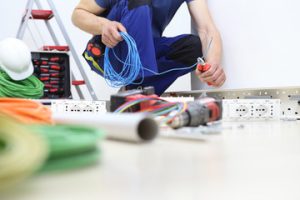
Common Electrical Challenges in Commercial Properties and How Professionals Solve Them

Commercial properties rely heavily on electricity to maintain daily operations, power critical equipment, and provide a safe environment for employees, customers, and visitors. From lighting and HVAC systems to office equipment and industrial machinery, electrical infrastructure is the backbone of a functioning commercial space. However, these systems are complex and often prone to a variety of challenges that can disrupt operations, increase costs, or compromise safety. Understanding the most common electrical problems in commercial properties and how licensed professionals address them is essential for property owners and facility managers.

electrical

Commercial Electrical Installation in commercial buildings is much more intricate than that in residential properties. They must handle higher voltage, support multiple large-scale appliances, accommodate specialized equipment, and meet strict safety and code requirements. Over time, factors such as outdated components, increased electrical demand, improper maintenance, or wear and tear can create significant challenges. If left unresolved, these issues can escalate into costly repairs, operational downtime, or dangerous hazards such as electrical fires and equipment failure.

Overloaded Circuits

One of the most common electrical challenges in commercial properties is overloaded circuits. These occur when too many devices or high-power equipment draw electricity from a single circuit simultaneously. Overloaded circuits can lead to frequent tripped breakers, flickering lights, or even damage to sensitive electronics.

Licensed electricians address overloaded circuits through several solutions:

  1. Load Balancing – Professionals assess the power requirements of different areas and redistribute loads across multiple circuits to prevent overload.
  2. Panel Upgrades – Upgrading the main electrical panel increases capacity and allows additional circuits to handle high-demand equipment.
  3. Dedicated Circuits – Installing dedicated circuits for high-power appliances, such as industrial machinery or commercial HVAC systems, ensures stable operation and prevents interference with other devices.

By addressing overloaded circuits, professionals improve safety, reduce downtime, and prevent unnecessary strain on electrical infrastructure.

Outdated Wiring and Electrical Components

Commercial buildings that were constructed decades ago may still rely on outdated wiring systems, such as aluminum wiring or knob-and-tube installations. Aging electrical infrastructure can create fire hazards, voltage drops, and inefficiency in power delivery. Outdated panels, switches, and outlets may also fail to meet current code requirements, leaving the property at risk of non-compliance.

Professionals tackle outdated wiring and components by:

  • Upgrading Wiring – Replacing old wiring with modern, code-compliant conductors that can handle current power demands efficiently.
  • Installing Modern Panels and Breakers – Ensuring that the building’s electrical distribution system meets safety and efficiency standards.
  • Assessing Component Health – Inspecting switches, outlets, and other devices for wear and replacing them as necessary.

Properly modernized wiring and components enhance system reliability, reduce energy waste, and improve safety throughout the property.

Frequent Electrical Surges

Electrical surges can damage sensitive equipment, computers, lighting systems, and industrial machinery. Surges may result from lightning strikes, utility grid fluctuations, or internal system faults. In commercial settings, repeated surges not only increase maintenance costs but can also interrupt operations and impact revenue.

Professional electricians mitigate electrical surges through:

  1. Surge Protection Devices – Installing devices at the main panel or at critical equipment protects against voltage spikes.
  2. Grounding and Bonding – Ensuring proper grounding allows excess energy to safely dissipate into the earth.
  3. Routine Inspections – Monitoring electrical systems for potential vulnerabilities helps prevent recurring surges.

By addressing surge issues proactively, commercial properties protect valuable equipment and ensure consistent, reliable power.

Inefficient Lighting Systems

Lighting represents a substantial portion of a commercial building’s energy consumption. Older fluorescent or incandescent systems not only consume excessive electricity but also produce unwanted heat that adds strain to HVAC systems. Poorly designed lighting can also lead to uneven illumination, glare, and reduced employee productivity.

Licensed professionals resolve lighting inefficiencies through several strategies:

  • LED Retrofits – Replacing outdated fixtures with energy-efficient LED lighting reduces electricity use and maintenance costs.
  • Smart Controls – Integrating occupancy sensors, dimmers, and automated schedules ensures that lights operate only when needed.
  • Optimized Layouts – Assessing fixture placement and light distribution improves visibility and comfort while minimizing waste.

Upgrading lighting systems not only lowers utility costs but also enhances workplace safety and productivity.

Faulty or Overloaded HVAC Systems

HVAC systems are critical for maintaining comfortable working conditions, but are among the largest consumers of electricity in commercial properties. Systems that are outdated, poorly maintained, or improperly integrated with the electrical infrastructure can consume excessive power, cause temperature inconsistencies, and increase operational costs.

Professionals address HVAC-related electrical challenges by:

  1. Integrating Energy-Efficient Motors and Drives – High-efficiency components reduce electricity consumption while maintaining performance.
  2. Implementing Smart Controls and Zoning – Programmable thermostats and zoning systems prevent energy waste by optimizing temperature settings based on occupancy.
  3. Upgrading Panels and Circuits – Ensuring the HVAC system receives stable power without overloading existing circuits.

These measures enhance efficiency, reduce costs, and extend the lifespan of critical HVAC equipment.

Frequent Breaker Trips and Electrical Failures

Repeated tripping of breakers, blown fuses, or intermittent power outages are common symptoms of an underlying electrical problem in commercial buildings. Causes can include overloaded circuits, short circuits, faulty breakers, or damaged wiring. Frequent electrical failures disrupt business operations and may pose safety risks to staff and customers.

Licensed electricians resolve these issues through:

  • Comprehensive System Evaluation – Identifying the root cause of breaker trips or outages.
  • Circuit Upgrades – Replacing or redistributing circuits to balance loads effectively.
  • Component Replacement – Replacing damaged breakers, wiring, or outlets to restore system stability.

Professional intervention ensures that commercial electrical systems operate reliably and safely, minimizing operational disruptions.

Power Quality and Voltage Fluctuations

Commercial properties often rely on sensitive equipment, such as computers, servers, manufacturing machinery, and laboratory instruments. Voltage fluctuations, dips, or sags can lead to equipment malfunction, data loss, or damage. Inadequate power quality can also reduce energy efficiency, increasing operating costs.

Solutions implemented by professionals include:

  1. Voltage Regulation Systems – Devices such as Automatic Voltage Regulators (AVRs) maintain a consistent voltage supply.
  2. Power Factor Correction – Improves energy efficiency and reduces utility penalties for low power factor in commercial buildings.
  3. Monitoring Systems – Real-time monitoring of electrical loads helps detect and address voltage irregularities promptly.

Addressing power quality ensures equipment longevity, stable operations, and reduced electricity waste.

Emergency and Backup Power Challenges

Commercial properties must be prepared for unexpected outages, as downtime can lead to lost revenue, safety risks, and disruption of critical operations. Emergency and backup power systems, such as generators or UPS (Uninterruptible Power Supply) units, are essential but often overlooked. Improperly installed or maintained systems can fail when needed most.

Professional electricians ensure reliable backup power by:

  • Designing Redundant Systems – Incorporating backup generators, battery storage, or dual-feed configurations for critical areas.
  • Routine Testing and Maintenance – Ensuring that emergency systems function correctly under load conditions.
  • Integration with Main Electrical Infrastructure – Smoothly switching between primary and backup power sources without disrupting operations.

Well-designed emergency power systems minimize downtime, protect property, and maintain safety during outages.

The Importance of Licensed Professionals

Commercial electrical challenges are complex and often require specialized expertise. Attempting DIY repairs or relying on unlicensed personnel can result in safety hazards, code violations, and costly mistakes. Licensed electricians possess the training, experience, and knowledge required to diagnose, repair, and optimize commercial electrical systems safely and efficiently.

Working with professionals provides multiple benefits:

  1. Safety and Compliance – Ensures all work adheres to national and local electrical codes, reducing risks of accidents and legal issues.
  2. Efficiency and Reliability – Optimizes system performance, reduces energy waste, and minimizes operational interruptions.
  3. Proactive Problem-Solving – Licensed electricians identify potential issues before they escalate, reducing long-term repair costs.
  4. Tailored Solutions – Professionals can recommend energy-efficient upgrades, surge protection, and smart system integration to meet specific property needs.

Engaging licensed electricians is a strategic investment that protects property, equipment, and personnel while improving operational efficiency.

Preventive Maintenance as a Solution

Many common electrical challenges in commercial properties can be mitigated through preventative maintenance. Scheduled inspections, testing, and proactive upgrades help maintain system performance, prevent failures, and extend the life of electrical components.

Key preventative maintenance practices include:

  • Routine Circuit and Panel Inspections – Identifying signs of wear, overheating, or loose connections.
  • Load Analysis – Ensuring circuits and equipment are not overburdened.
  • Component Replacement – Proactively replacing worn breakers, switches, or wiring to prevent failure.
  • Energy Efficiency Reviews – Evaluating opportunities to reduce power consumption and integrate modern technologies.

Regular maintenance reduces emergency repairs, lowers operating costs, and ensures consistent power delivery for all commercial operations.

Commercial properties face a wide range of electrical challenges, including overloaded circuits, outdated wiring, power surges, inefficient lighting, HVAC integration issues, frequent breaker trips, voltage fluctuations, and unreliable emergency power. Each of these problems can impact safety, increase operational costs, and disrupt business continuity.

Licensed electrical professionals play a crucial role in diagnosing, repairing, and optimizing commercial electrical systems. Their expertise ensures safety, code compliance, energy efficiency, and long-term reliability. Preventative maintenance, modern upgrades, and strategic solutions like surge protection, power factor correction, and smart controls all contribute to reduced operating costs and improved performance.

By understanding the common electrical challenges in commercial properties and engaging professional services, property owners and facility managers can safeguard their buildings, protect equipment, enhance operational efficiency, and maintain a safe environment for employees and visitors. Investing in professional electrical solutions is not just a matter of compliance—it is a proactive strategy to ensure long-term business success, sustainability, and resilience.